Analyze high-stakes courtroom battles to navigate the delicate legal boundary between state intervention for child safety and fundamental family autonomy.
Some of the most challenging cases in family law arise when courts are required to balance competing rights, competing risks, and competing versions of a child's best interests. Allegations of domestic abuse, international relocation disputes, child abduction claims, cultural and religious considerations, parental autonomy, and safeguarding concerns frequently place judges and practitioners in situations where there is no perfect outcome. These cases often require careful navigation of domestic legislation, international conventions, human rights principles, and complex factual disputes.
As children's cases become increasingly international and socially complex, practitioners face growing challenges in advising clients, presenting evidence, and managing the tension between protecting children and respecting family rights. Understanding how courts approach these difficult decisions is essential for effective advocacy and sound legal advice.
This session explores some of the most difficult and evolving issues in modern children law, examining how courts balance competing interests in high-conflict and international family disputes. Participants will gain practical insight into judicial reasoning, emerging legal trends, and advocacy strategies in complex children's cases.
Key Topics Discussed:

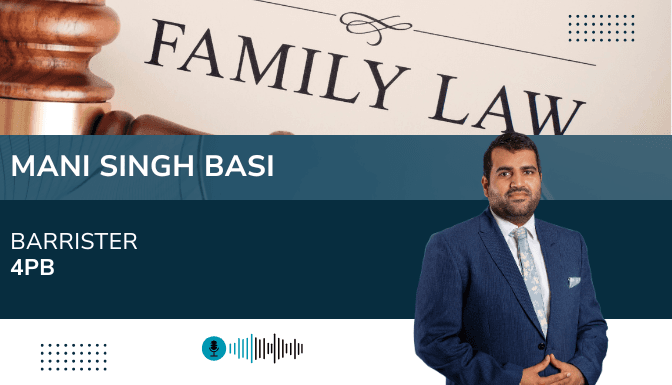
Barrister | 4PB
Mani is an award winning barrister described as a ‘positive force in family law’. He also sits as Deputy District Judge on the South Eastern Circuit. Mani has been involved in 80 reported and published decisions, all in either the Court of Appeal or the High Court, which appear at the bottom of his profile. He is currently the winner of the International Family Lawyer of the Year award as well as being the previous winner of the Legal Personality of the Year 2024 award (LexisNexis) and the Family Law Junior Barrister of the Year 2023 (LexisNexis) award at. Mani has a broad practice covering all areas of family law with a particular focus on disputes relating to children. Hs is regarded as a commentator and author on areas relating to family law. He is recognised and ranked in all the leading directories (Legal 500, Chambers and Partners and Doyles Guide – London).
